
The thrill of risk and reward
Casino gaming captivates individuals through a complex interplay of risk and reward. The excitement of placing a bet and the possibility of winning creates an enticing environment, which sometimes includesanonymous online gambling. Gamblers often feel a rush of adrenaline as they await the outcome of their wagers. This psychological stimulation is a key factor that drives people to engage in gaming activities repeatedly.

This thrill is further compounded by the uncertainty of outcomes. The element of chance can lead to a euphoric state often referred to as “the gambler’s high.” This psychological phenomenon keeps players coming back, as they seek to replicate the exhilarating feelings associated with wins, despite the potential for losses.
The role of cognitive biases
Cognitive biases heavily influence gambling behavior. One common bias is the illusion of control, where players believe they can influence outcomes in games of chance. This belief leads many to engage more deeply in gambling, as they feel a sense of agency over their decisions. However, this false sense of control can result in increased risk-taking behavior.
Another prevalent cognitive bias is the gambler’s fallacy, where individuals believe that past outcomes can influence future events. For example, someone might think that a slot machine is “due” for a win after a series of losses. Understanding these biases can help shed light on why individuals may continue to gamble despite poor outcomes, as they cling to flawed reasoning in pursuit of their next win.
Emotional motivations for gambling
The emotional motivations behind gambling are as varied as the individuals who participate in it. For some, gambling serves as an escape from daily stressors. The immersive nature of casino environments provides a temporary reprieve from reality, allowing players to momentarily forget their problems and indulge in the thrill of possibility.
Additionally, social interactions in casinos can enhance the gaming experience. Many people enjoy the camaraderie that comes from playing games with others, sharing in the highs and lows alike. This social facet of gaming can reinforce habit formation, as individuals associate positive emotions with their gambling experiences, prompting them to return for more.
The impact of marketing and environment
The design of casinos and the marketing strategies employed have significant effects on gaming habits. Bright lights, captivating sounds, and the absence of clocks create an environment that encourages extended play. Casinos are meticulously crafted to draw visitors in and stimulate their senses, enhancing the likelihood of prolonged gaming sessions.
Marketing tactics, such as loyalty programs and promotional offers, further incentivize repeat visits. These strategies exploit psychological principles by providing players with a sense of belonging and reward, reinforcing their commitment to gambling. As a result, these environmental and marketing factors contribute to the habitual nature of gaming behavior.
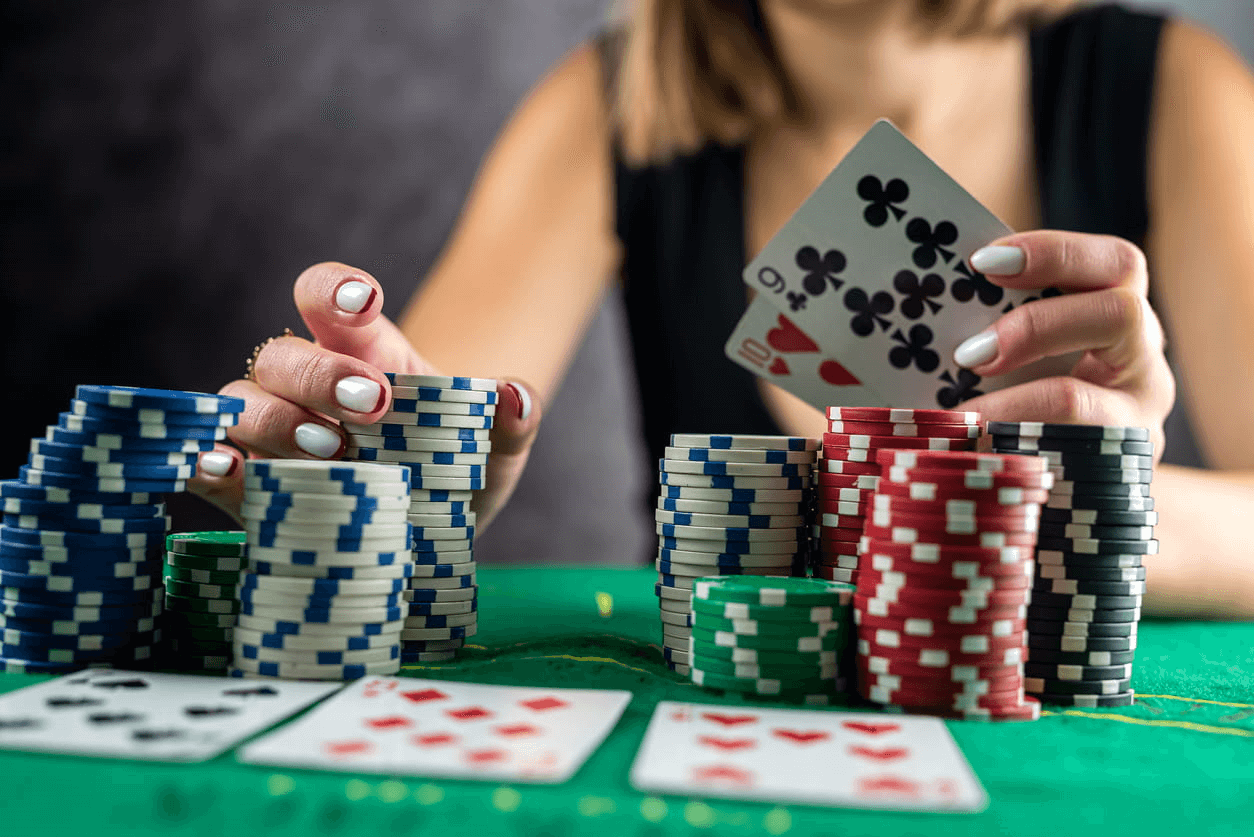
Your safe space to explore gaming psychology
Understanding the psychology behind casino gaming habits is essential for fostering a balanced relationship with gambling. By recognizing the emotional and cognitive factors that drive these behaviors, individuals can make more informed choices about their gaming activities. Resources that focus on gambling psychology help empower players to navigate their experiences safely.
Moreover, creating a safe environment to explore these complex dynamics, while emphasizing responsible gaming practices, reinforces a healthier approach. Engaging with insightful resources allows players to gain deeper perspectives and ultimately enhance their gaming experience while remaining mindful of potential risks.